Companion Planting Basics: What Grows Well Together
Pairing the right plants can attract helpful insects, save space and confuse pests. These combinations are easy wins.
How companion planting works
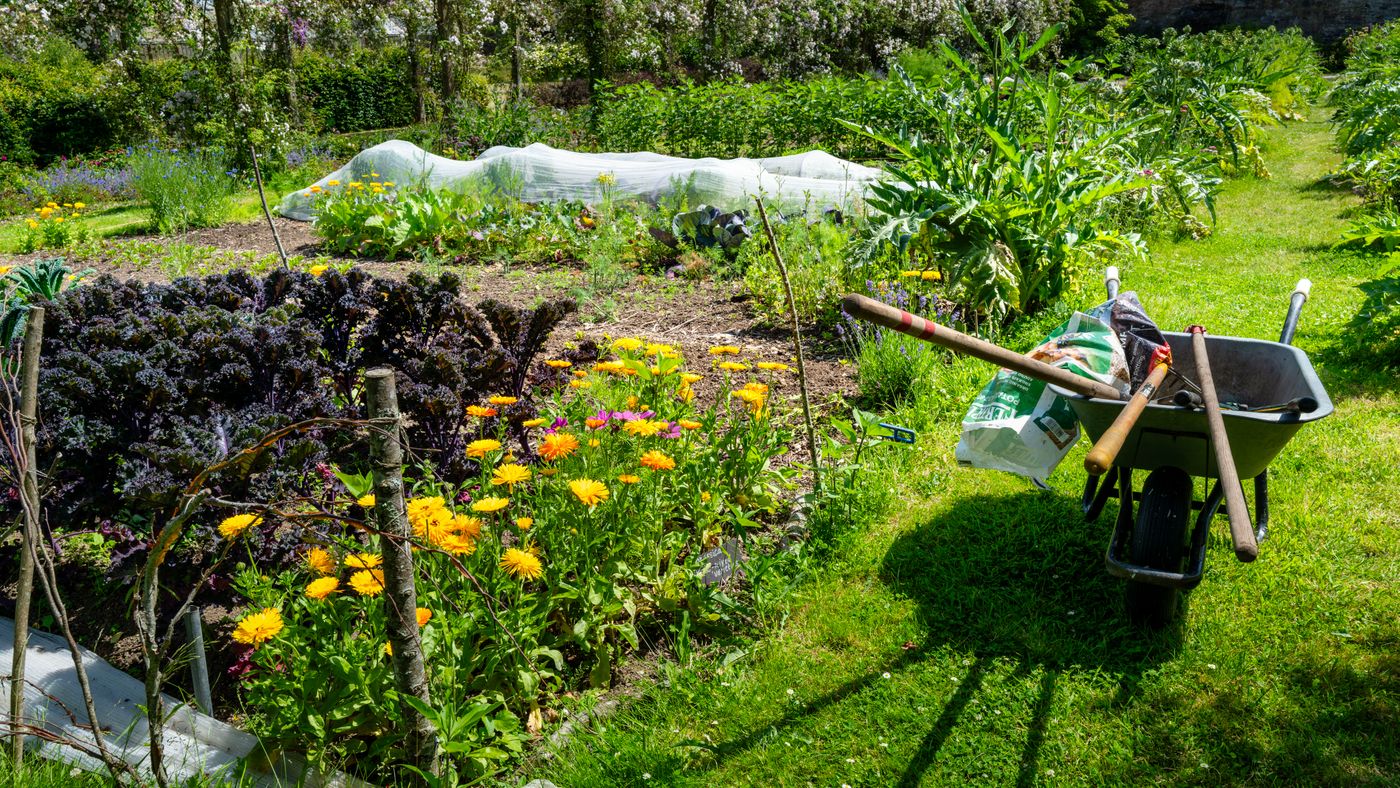
Some plants help others by attracting pollinators and predatory insects, by shading the soil, or by using space and nutrients differently. The effect is real but modest, so treat it as one tool alongside good soil, watering and spacing.
Proven pairings
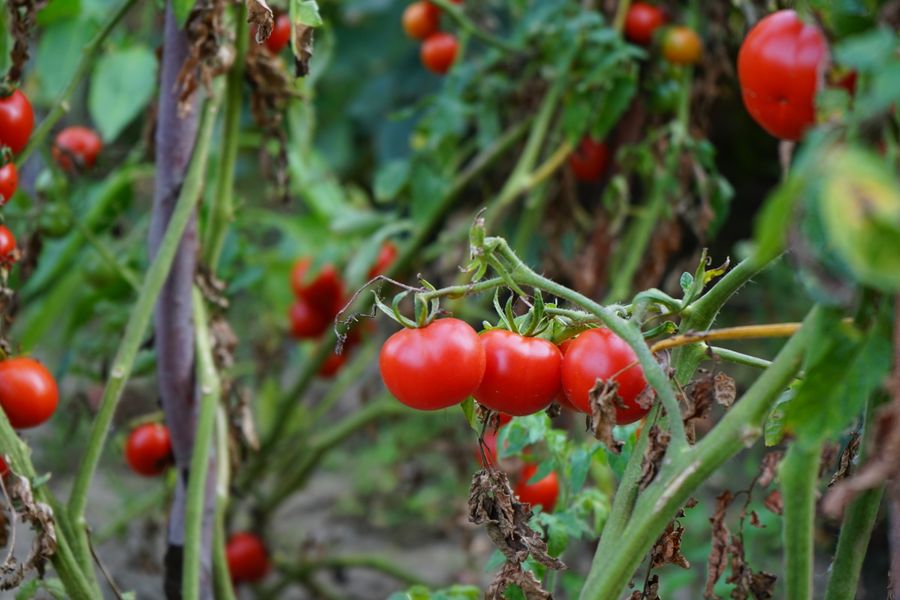
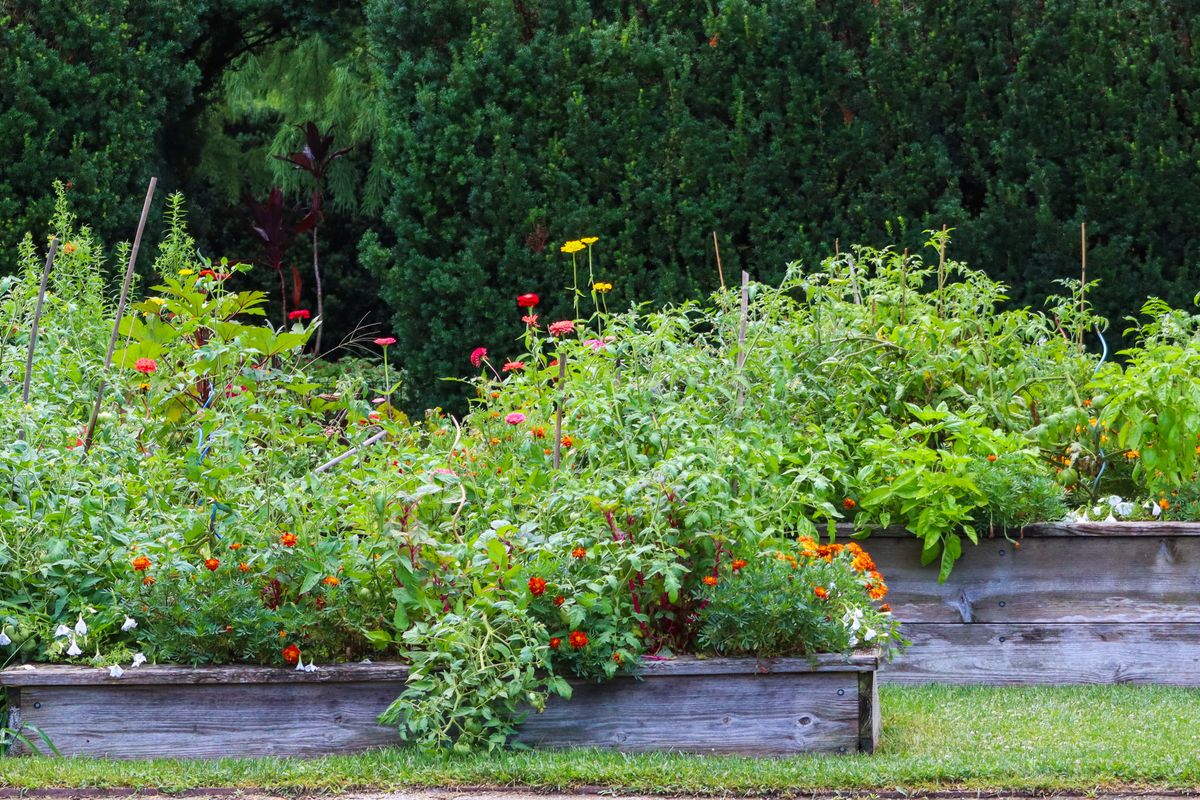
Tomatoes and basil share the same needs, and basil flowers attract pollinators. Flowers like zinnias, cosmos and alyssum near vegetables bring in hoverflies and wasps that eat aphids and caterpillars.
Quick radishes can be sown between slow carrots and harvested before the carrots need the space.
Quick tips
- Tomato + basil
- Cucumbers + dill
- Carrots + radishes
- Kale + nasturtium
Keep a few apart
Give fennel its own spot, as it can slow neighbours. Avoid crowding: good airflow matters more than any single pairing.